What is “common” back pain?
Common low back pain is pain in the lower back with no warning signs, meaning no serious underlying cause. It is by far the most frequent situation. In most cases, the pain eases within a few weeks.
Back pain is called chronic when it lasts more than three months. According to the French National Authority for Health, the aim is to prevent this shift to chronic pain.
How can osteopathy help?
Back pain is almost never limited to the spot that hurts. When one area locks up, the body compensates: the pelvis shifts, the hips stiffen, the back muscles tighten to protect. These compensations often keep the pain going. Osteopathy looks at the whole picture.
What I look at
- the mobility of the lower and mid-back vertebrae, the pelvis and the hips;
- the muscle tension protecting the painful area;
- your posture, and how you bend, sit and walk;
- with sciatica, what may be keeping the nerve irritated along its path.
What I work on
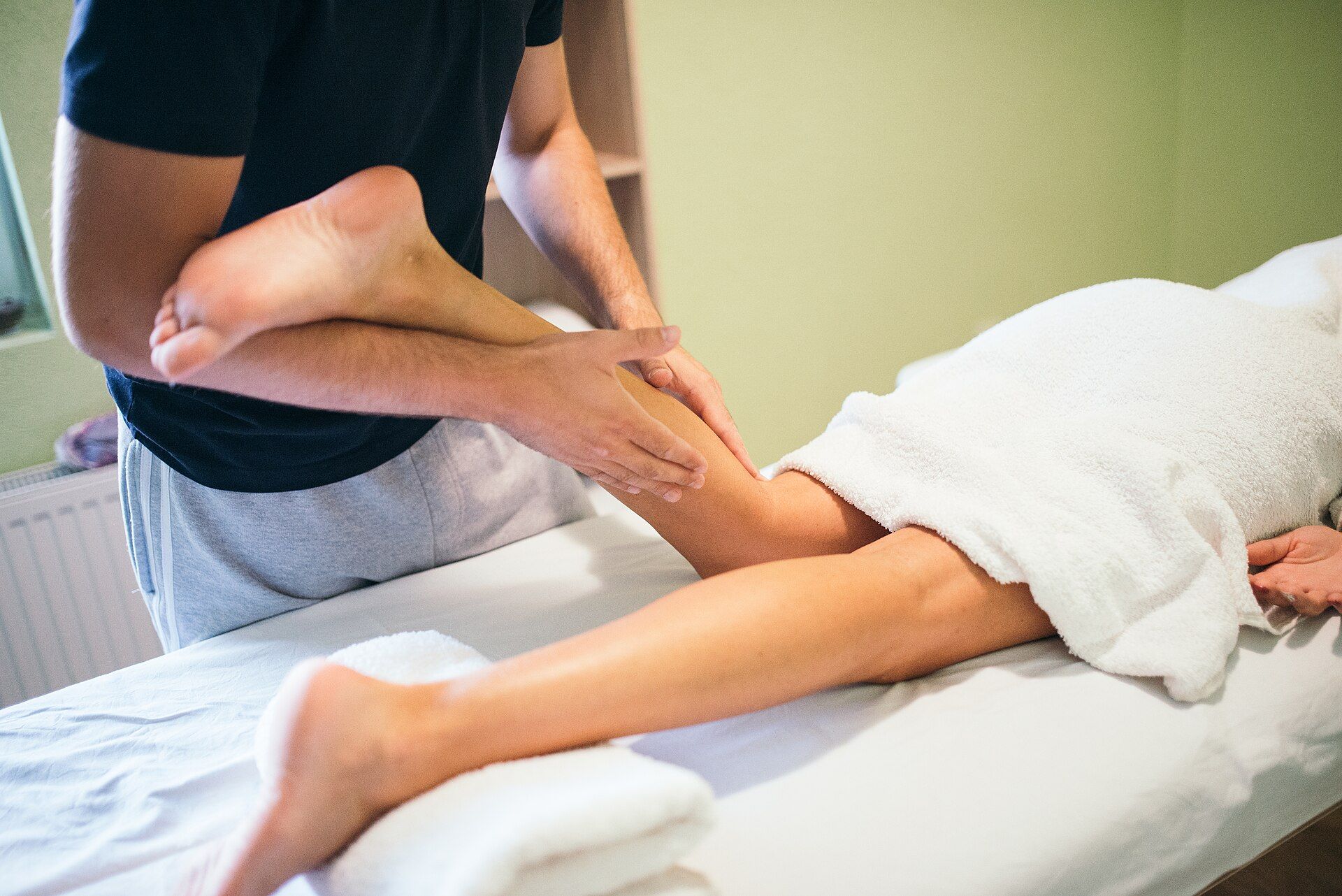
I use manual techniques suited to your pain: gentle joint mobilisation, releasing tight muscles, work on the pelvis and hips. When the pain is sharp, I choose very gentle techniques and never push on an area that is too sensitive.
What you can expect
The aim is to relieve the pain, regain range of movement and make it easier to get back to your activities. Regaining mobility helps you move again, which the HAS considers key to recovery.
Manual techniques are recommended alongside exercise, never on their own. That is why each session ends with practical advice: which movements to resume, how to set up your workstation, how to avoid flare-ups.
And sciatica?
Sciatica is pain that runs down the leg, sometimes to the foot, along the path of the sciatic nerve. It is often linked to irritation of the nerve in the lower back.
It can be very painful, but usually improves. Some signs, however, need prompt or even urgent medical advice: weakness in the leg, bladder problems or numbness around the genitals.
What can I do day to day?
The French recommendations stress a few simple principles:
- stay active and carry on with your activities as much as possible, adapting the pace;
- avoid long periods of bed rest;
- gradually return to a physical activity you enjoy;
- tell your doctor what worries you: fear of moving often keeps the pain going.
At the practice
We start by talking about your pain: since when, how it began, what eases or worsens it, your work and activities. I check for warning signs. I then examine your posture and the mobility of your back, pelvis and hips, and work with suitable manual techniques. We finish with advice to move and get back to your activities with confidence.
Frequently asked questions
Should I rest when my back hurts?
No. The French National Authority for Health recommends the opposite: stay active and carry on with your usual activities as much as possible, adapting the pace to the pain.
Do I need an X-ray or MRI?
Without any warning signs, imaging is generally not useful for common back pain. That is for the doctor to decide.
Can an osteopath help with sciatica?
Yes, alongside medical care, once warning signs have been ruled out: weakness in a leg, bladder problems or unbearable pain mean you should see a doctor first.
Is it reimbursed?
Most top-up insurers (mutuelles) and many international insurers cover part of the cost of osteopathy: check with yours. The French national health insurance (Sécurité sociale) does not reimburse it.
Sources
- HAS (French National Authority for Health) – Management of common low back pain (March 2019, in French)
- HAS – Common low back pain: preventing chronic pain (in French)
Page updated on 11 October 2026.